Our story · Kathmandu, since 1953
A family keptits word.
RSN One did not begin as a store. It began as a road, a brass-bound ledger, and a single promise — to buy where a thing is made, from the hands that make it, and to carry it home by its true name. Seventy years on, that promise is a club.
- On the road since
- 1953
- Houses
- Kept by name
- Founding seats
- 1,000
How it began
Most stores begin with a shop. This one began with a betrayal, a refusal, and a long walk into the mountains to set it right.
What follows is the history of the house — how a single trader's vow became a register of makers, and how a register kept private for two generations came, at last, to be opened to a family.
The crossroads
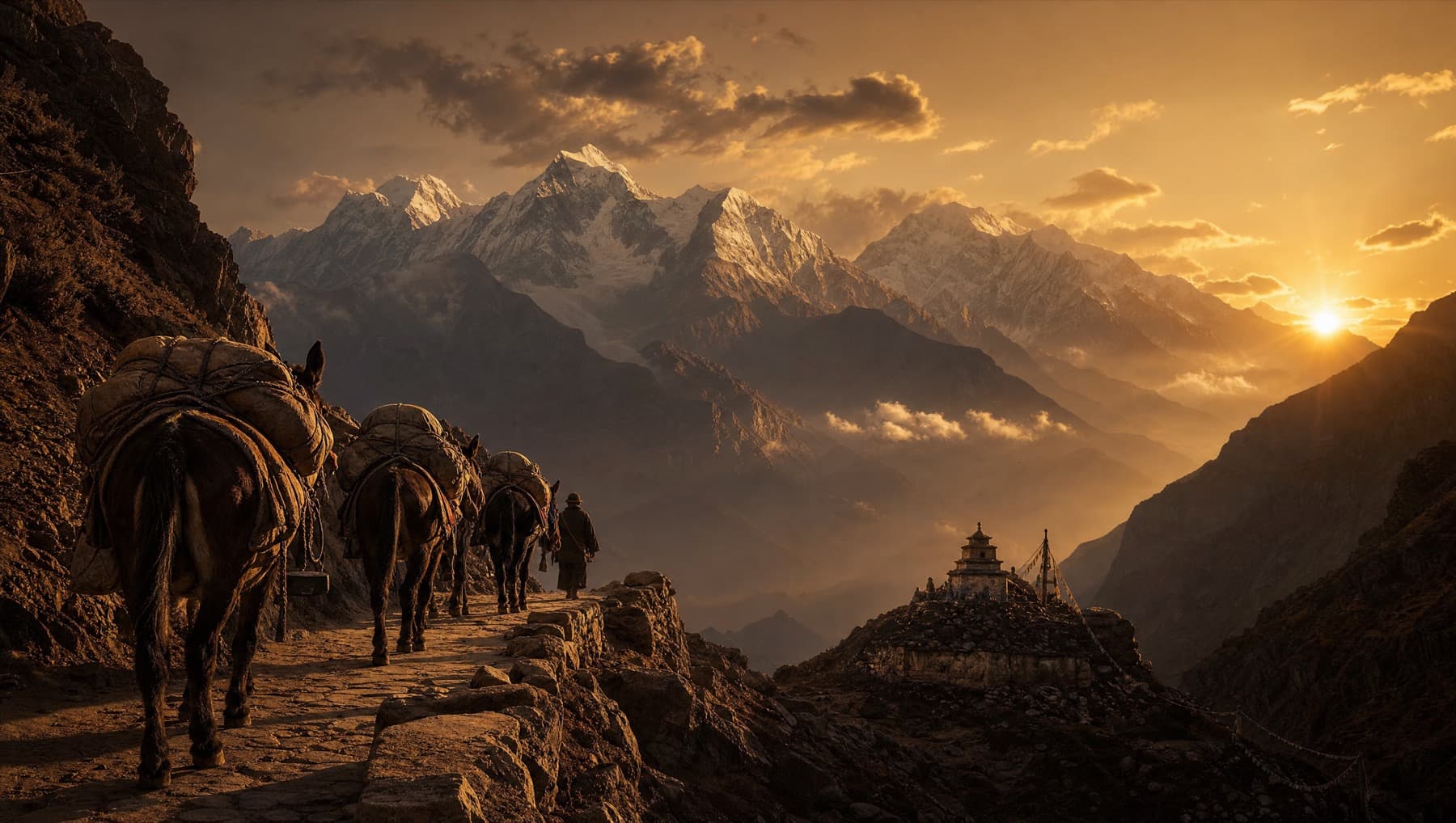
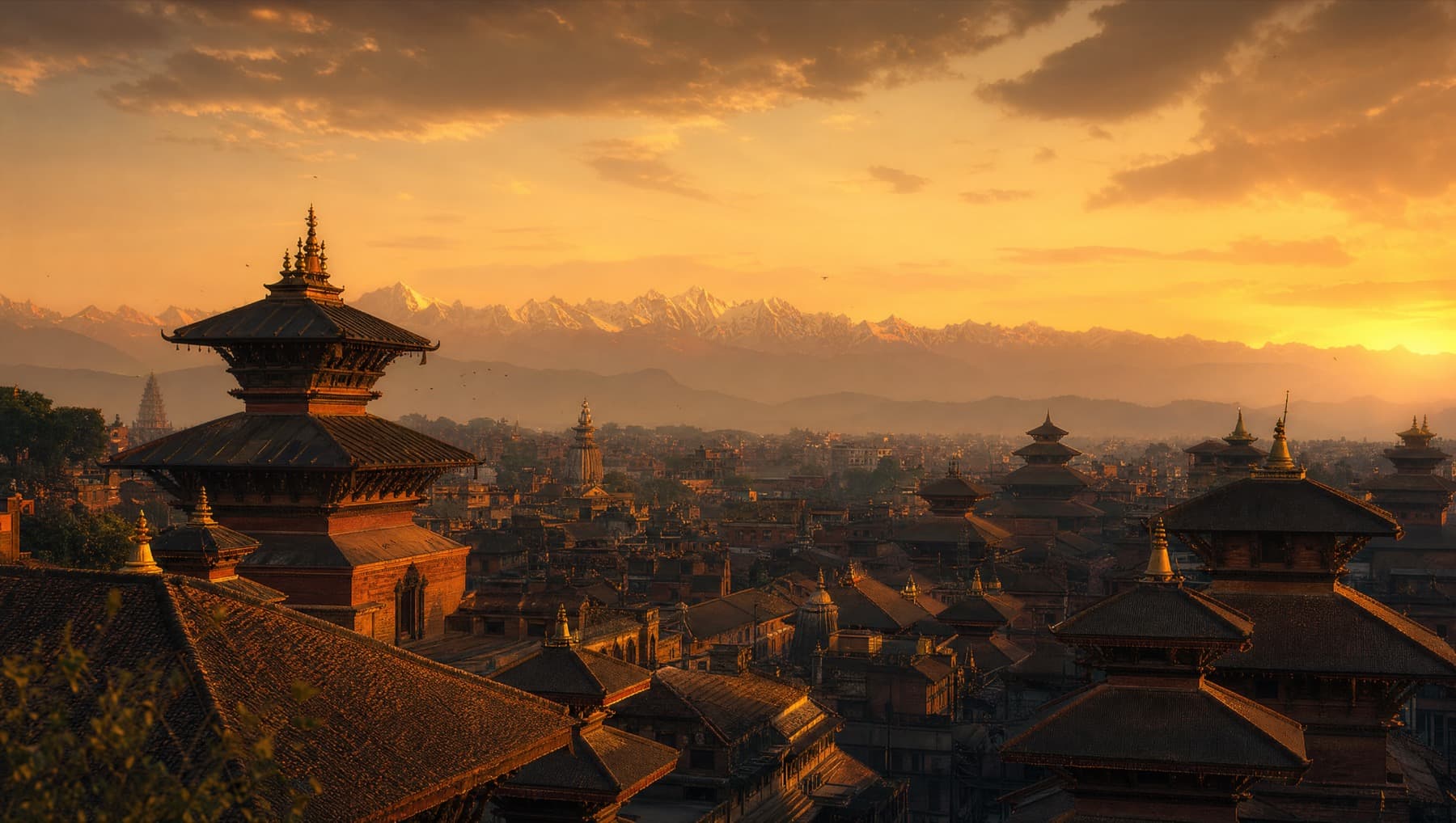
Kathmandu was always a doorway.
For a thousand years the valley sat where the roads met — salt and raw wool down from Tibet, silk and porcelain in from the east, cotton and worked silver up from the plains. The traders of Kathmandu did not make these things. They carried them, weighed them, and knew, by hand and by eye, the true from the dressed-up.
RSN One is the inheritance of that craft. Not a maker, but a keeper of makers. A house whose whole art is judgement: what is allowed through the doorway, and what is turned back at it.
“A doorway does not make the thing. It decides what is allowed through.”
The ledger
One man, and a brass-bound book.
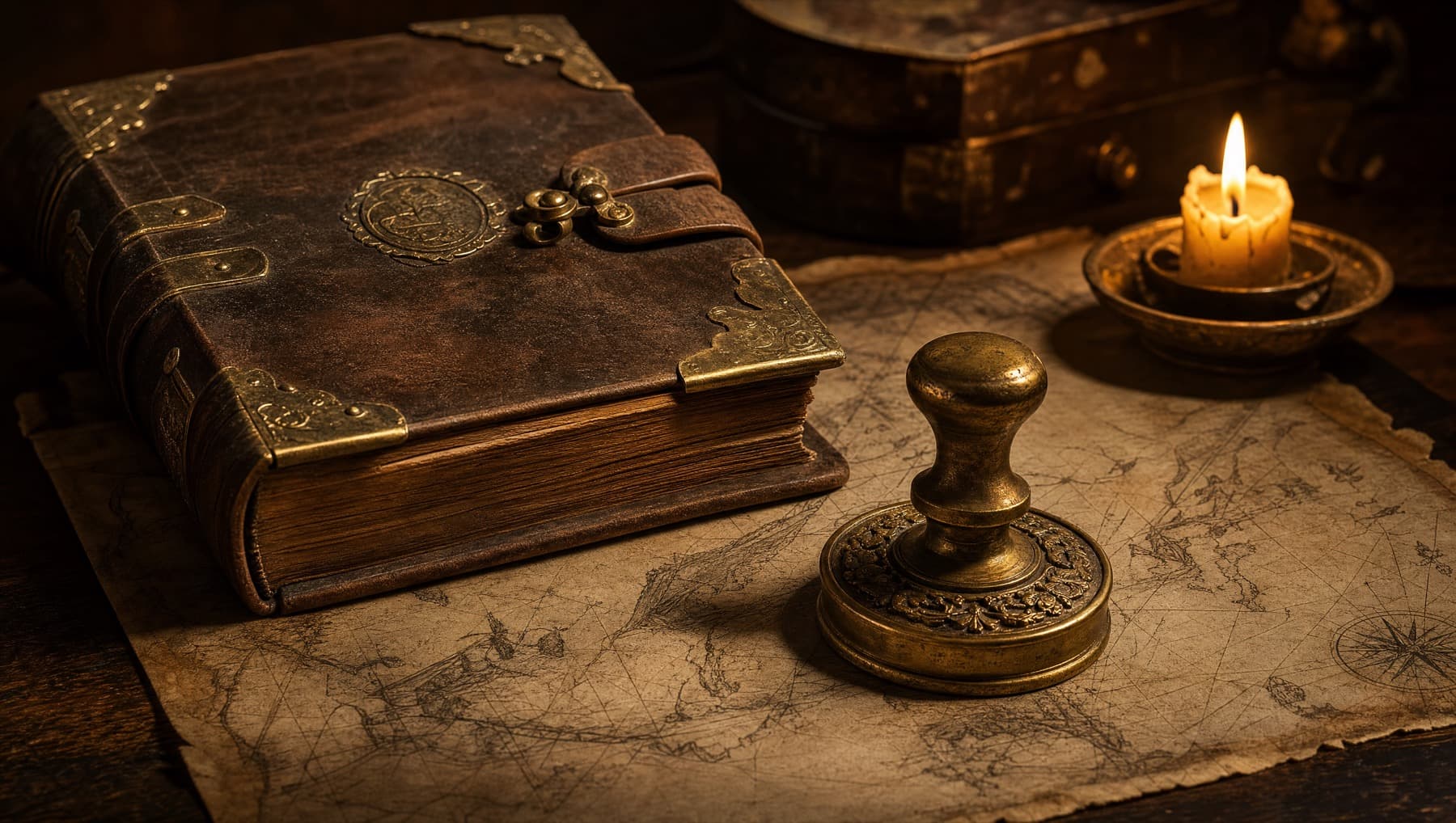
In 1953, two years after the valley opened to the world, the elder of the family set out on the old road with a brass-bound ledger and a seal cut from a single Himalayan ingot. He went, the story holds, because of a shawl — sold to him in a bazaar as Kashmiri, woven by no one's hand. He never forgot the small dishonesty of it.
From that day he bought one way only: where the thing was made, from the people who made it, each one written into the ledger by name. The book still exists. The names in it are the register we keep today.
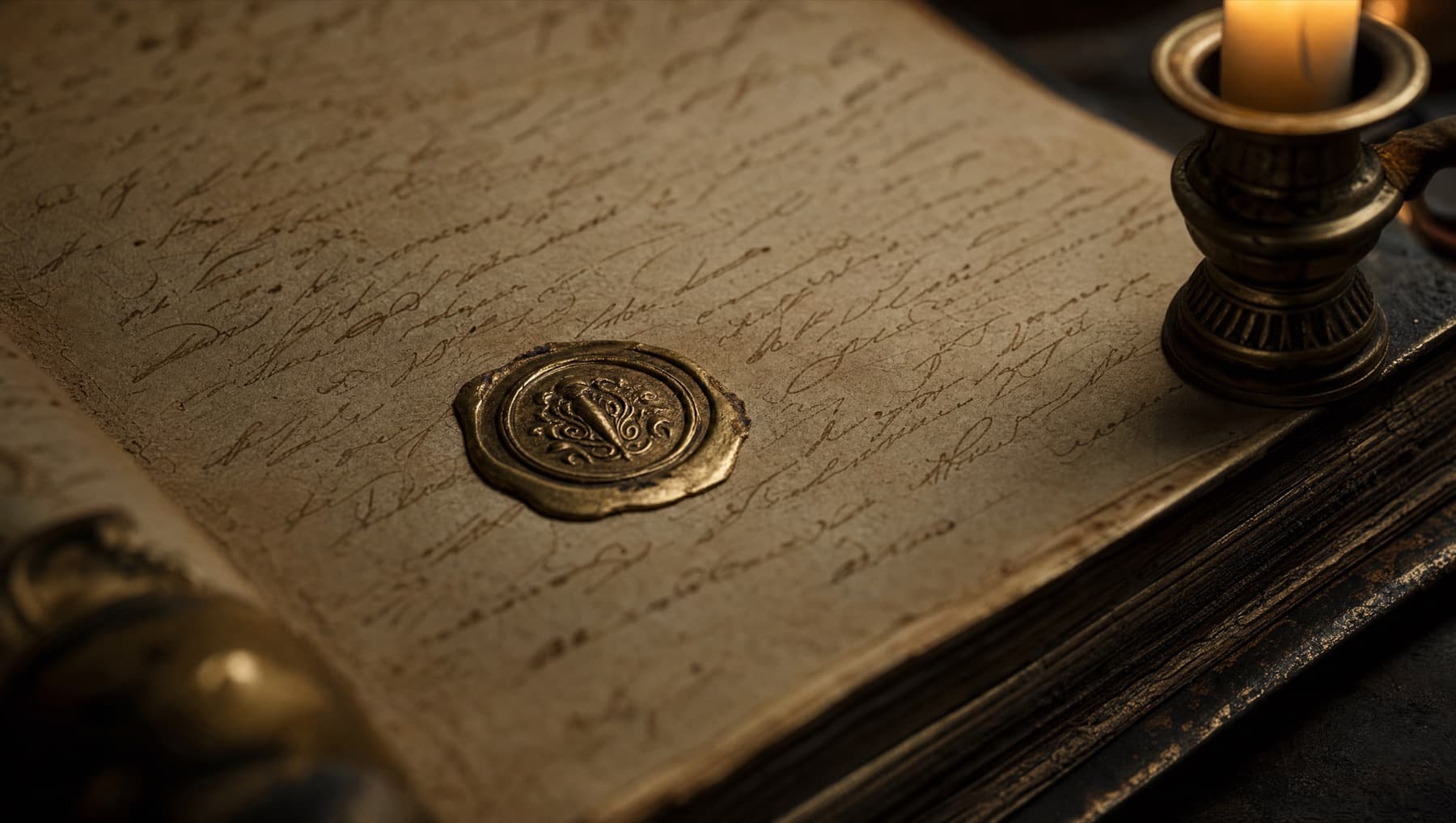
“He did not write down prices. He wrote down people.”
The register
Kept by name, for three generations.
A register is not a supplier list. It is a set of promises, renewed in person, that the family has never let lapse. Each house is visited, not emailed; each price agreed by hand, never through a broker or the middle of the market.
This is what we mean by one honest bridge in place of five hidden hands. It is not a slogan. It is the only arrangement under which a maker will quote you their honest price — and the only reason the price you are shown is the workshop's price plus one small margin, named in the open, not the 2–3× retail markup.
The houses
Seven crossroads,kept by name.
From the imperial kilns of Jingdezhen to a single dale in Yorkshire. Each is a relationship before it is a source.
- 01
Jingdezhen · China
- 02
Yorkshire · England
- 03
Chiang Mai · Thailand
- 04
Seoul · South Korea
- 05
Kathmandu Valley · Nepal
- 06
Dubai · United Arab Emirates
- 07
Central Highlands · Sri Lanka
The standard
Lived with, before it is offered.
Nothing enters the register because it would sell. It enters because it earned a place at the family's own table in Lazimpat — used, washed, carried, slept under — and held. Few things, chosen slowly.
The catalogue stays small so the standard can stay absolute. An object that the family would not keep is not an object you will ever be offered. That is the whole of the editing, and it is done before a single thing reaches your eye.
“If we would not live with it, you will never see it.”
The mark
A crown of light,and the points beneath.
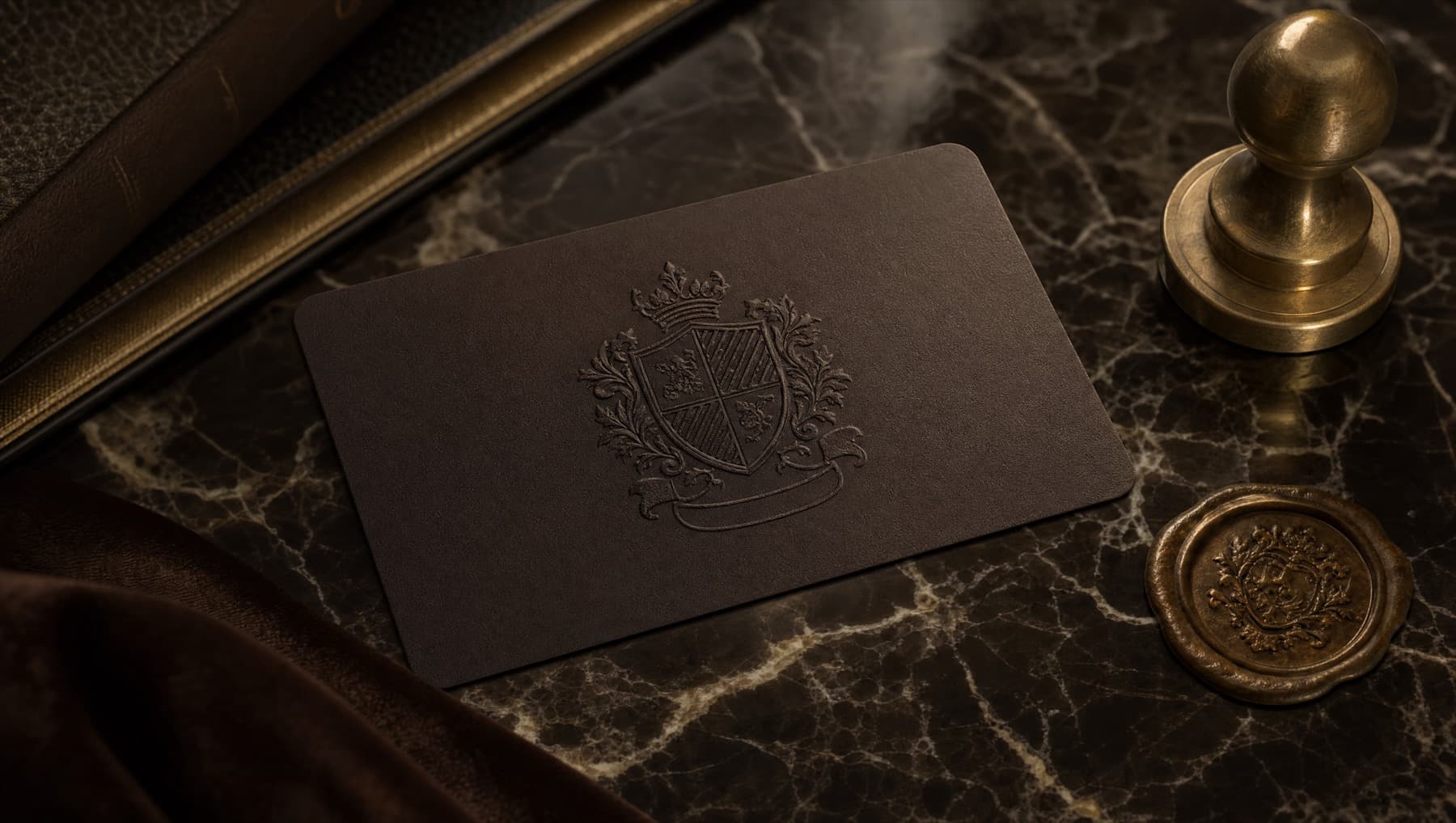
The house mark is not decoration. It is read, the way a family reads its own crest.
- The crownKathmandu — the doorway where the roads have always met.
- The pointsThe houses kept by name, and the family that carries their work.
- R · S · NIn three letters a family signs its work. The house has never spelled them out in full; those admitted come to know them.
Seventy years
The history,in five marks.
1953
1968
1991
2015
2026
The family
Private for two generations. Now, a family of one thousand.
For most of its life the register was private. Only the family and a few friends ever knew the prices the houses charge. To open it to the open market would break the houses' trust — and the price with it.
So the house chose a third way: to extend the access not to everyone, but to a family. The first one thousand households are founding members — numbered, admitted by introduction, holding the founding rate for life. When the thousand are filled the door stays open at the standard rate. The founding circle closes, once, and is never opened again.
The vow
We do not sell to you. We buy for you.
A member of RSN One does not shop a marketplace. They send word — by the catalogue, or to the concierge at the desk in Lazimpat — and the family buys on their behalf, at the price the house charges, sealed and carried by hand to the door.
Kathmandu first, and then the other crossroads of the world, one house at a time. The road that began as a footpath in 1953 is, today, a club. The word it was built on has not changed.
- 1953
- On the road since
- 7
- Houses kept
- 3
- Generations
- 1,000
- Founding seats
Kathmandu first
Take your placein the family.
Membership is requested in five minutes, and read by a person. The founding thousand hold the founding rate for life; after them, the door stays open.